01 / RESOURCES
Textiles turned into value
From textile remnants and recovered polymers we create a new resource for design and production.
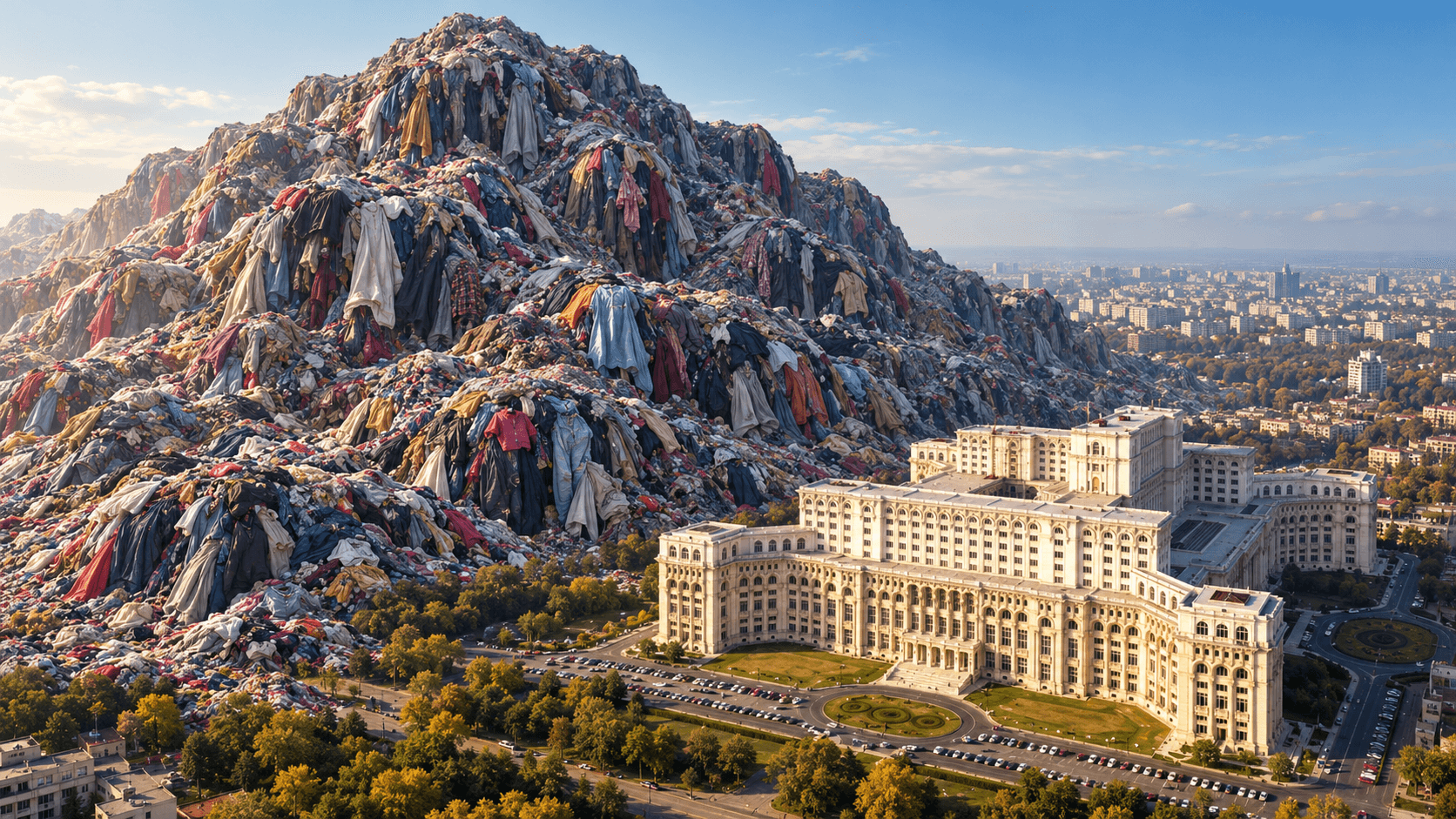

Scala dei rifiuti tessili in Europa — non una capacità produttiva ReCoTex.
Perché ReCoTex
Colleghiamo la ricerca universitaria a un processo tecnologico applicato per partner di arredo e materiali.
From textile remnants and recovered polymers we create a new resource for design and production.
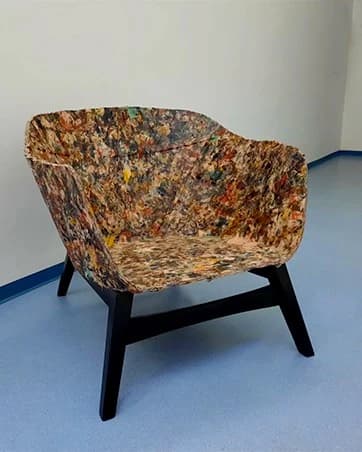
FRC can be processed as panels or thermoformed into furniture parts and components.
European patent, rights acquired by the startup, equipment purchased and first technology samples.
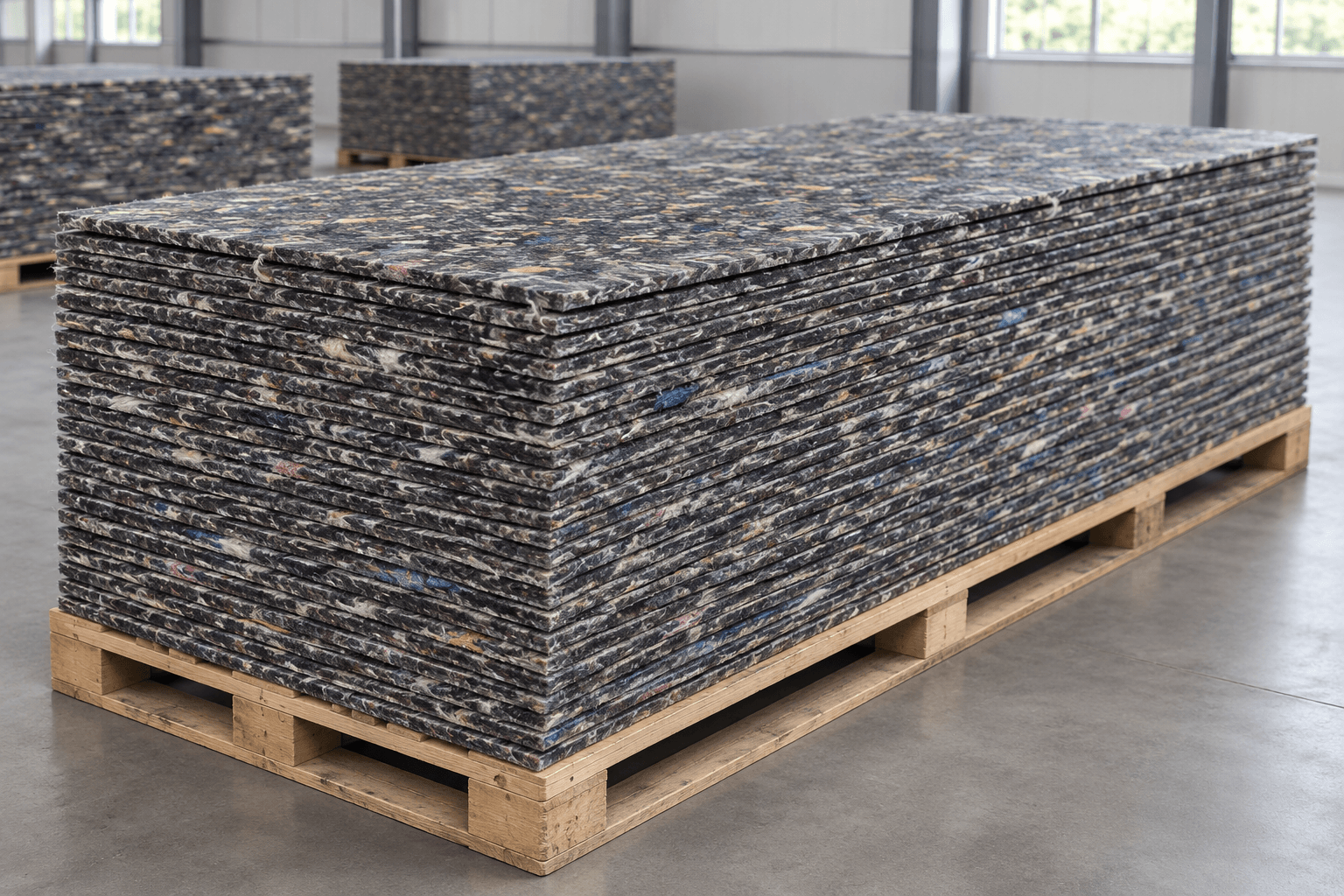
ReCoTex · FRC
Compositi da rifiuti tessili e polimerici — per arredo, design e partnership B2B in Romania.
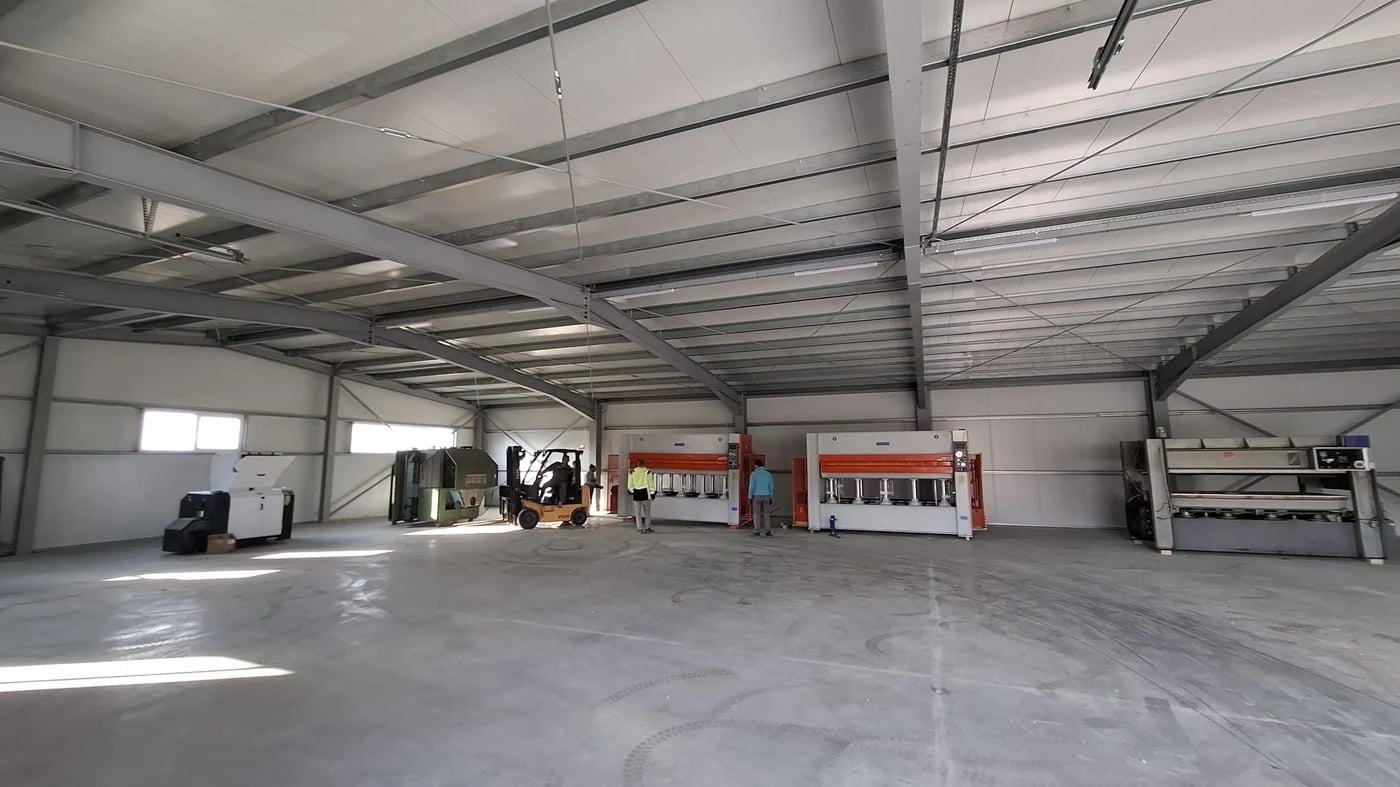
Textile waste → useful material
We turn textile and polymer streams into a shaped composite — panels, components and real prototypes, not just a recycling concept.
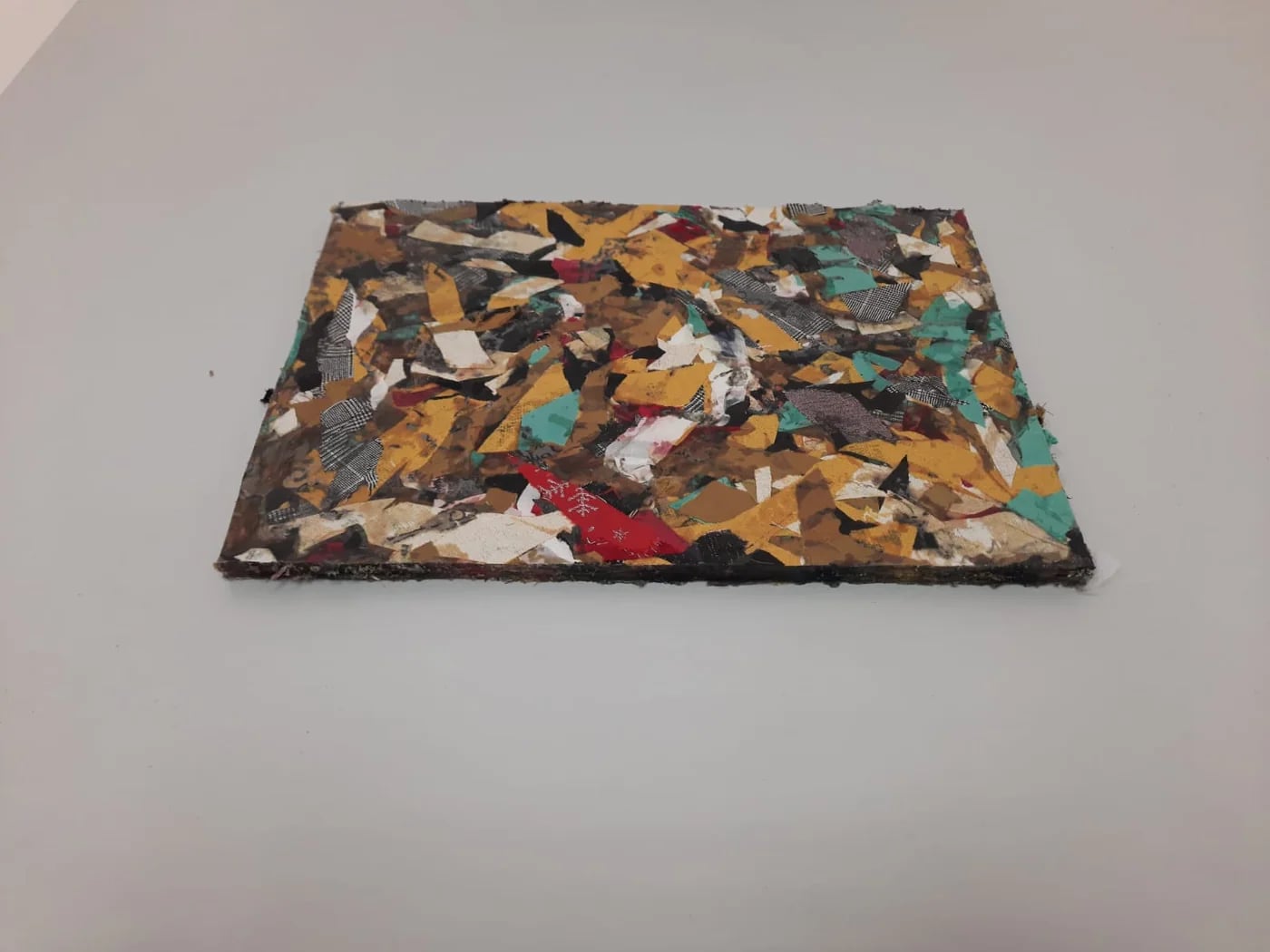
FRC material
Fabric Recycled Composite (FRC) is made by recovering textile and polymer waste streams, consolidated by thermopressing.
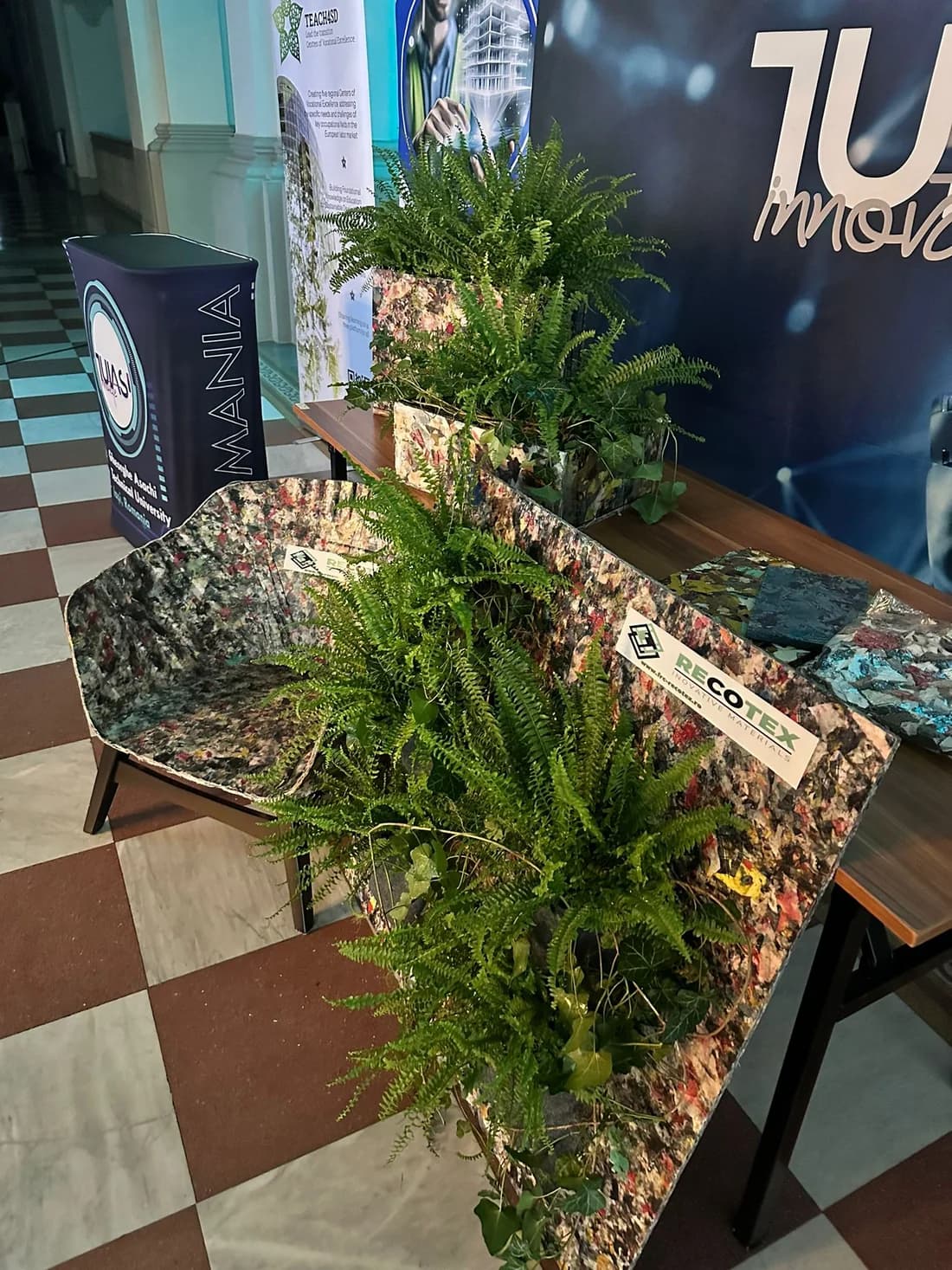
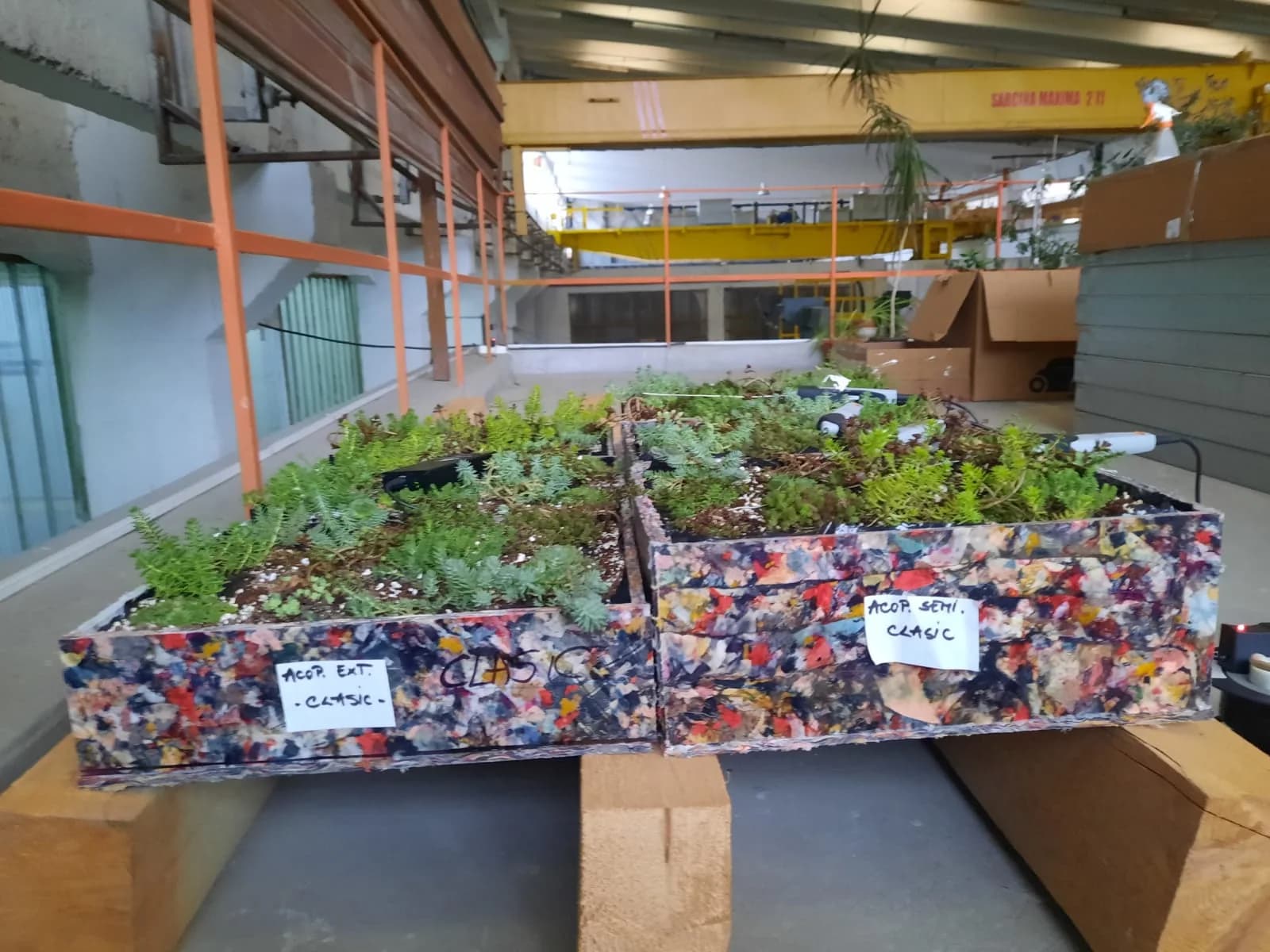
ReCoTex prioritises panels, assemblies, sub-assemblies and finished furniture. Planters and green-roof modules are complementary directions.
From research to practice
This status describes work done so far — not a certified commercial production line.
Developing the technology and protecting it with a patent.
Acquisition of patent rights from the university.
Purchasing machinery for experimentation and process development.
First technological trials and optimisation directions.
Real and emerging applications
Existing prototypes and collaboration paths with manufacturers and designers.
Circular economy
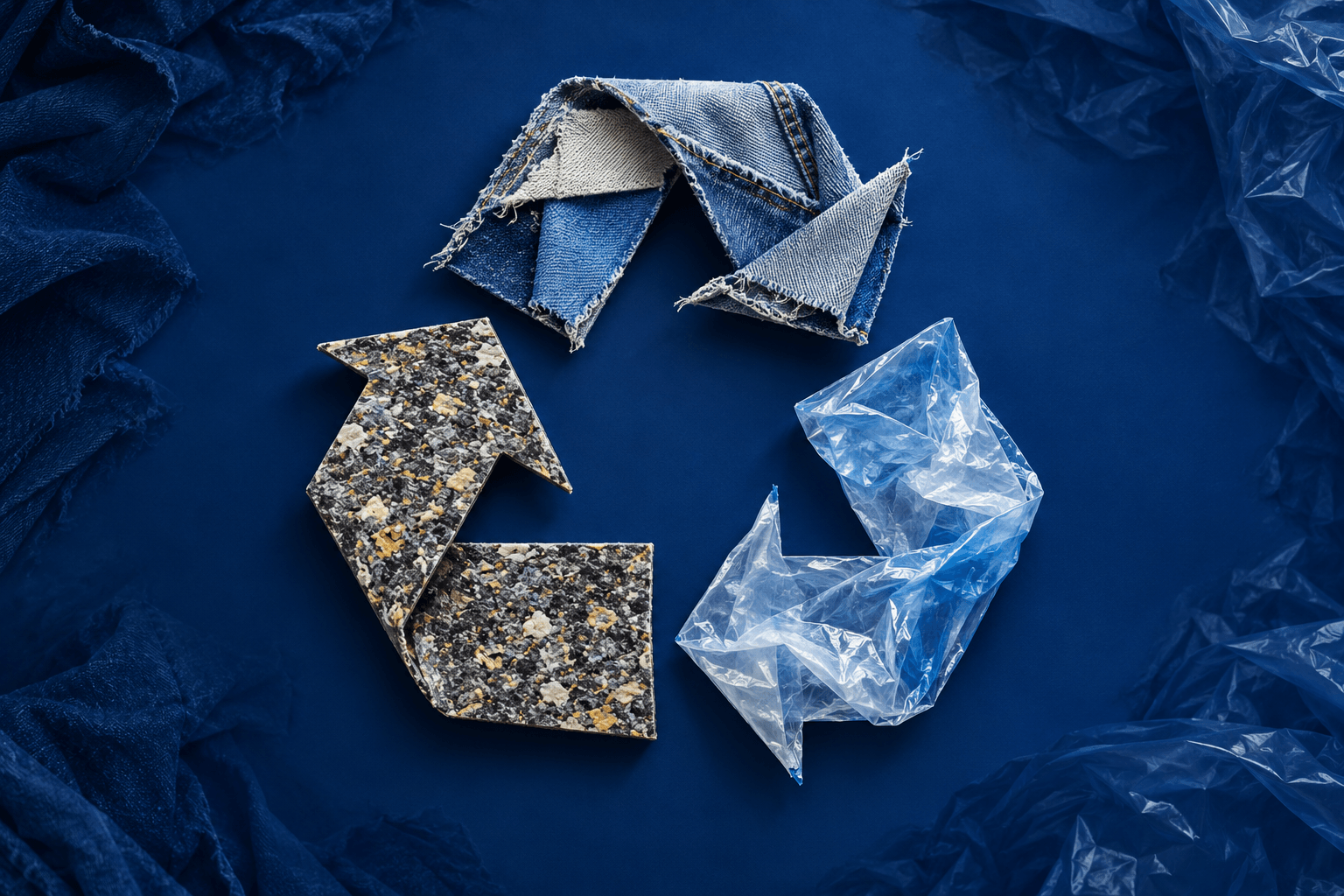
The ReCoTex circular symbol tells the story briefly: textile waste, polymer film and FRC composite — three streams in one recovery journey.
ReCoTex holds an environmental permit including R3 operation, under the conditions and waste categories stated in the permit — without claims beyond the authorised scope.
ReCoTex in the press
On research, FRC material and the future of furniture — published in 2024.
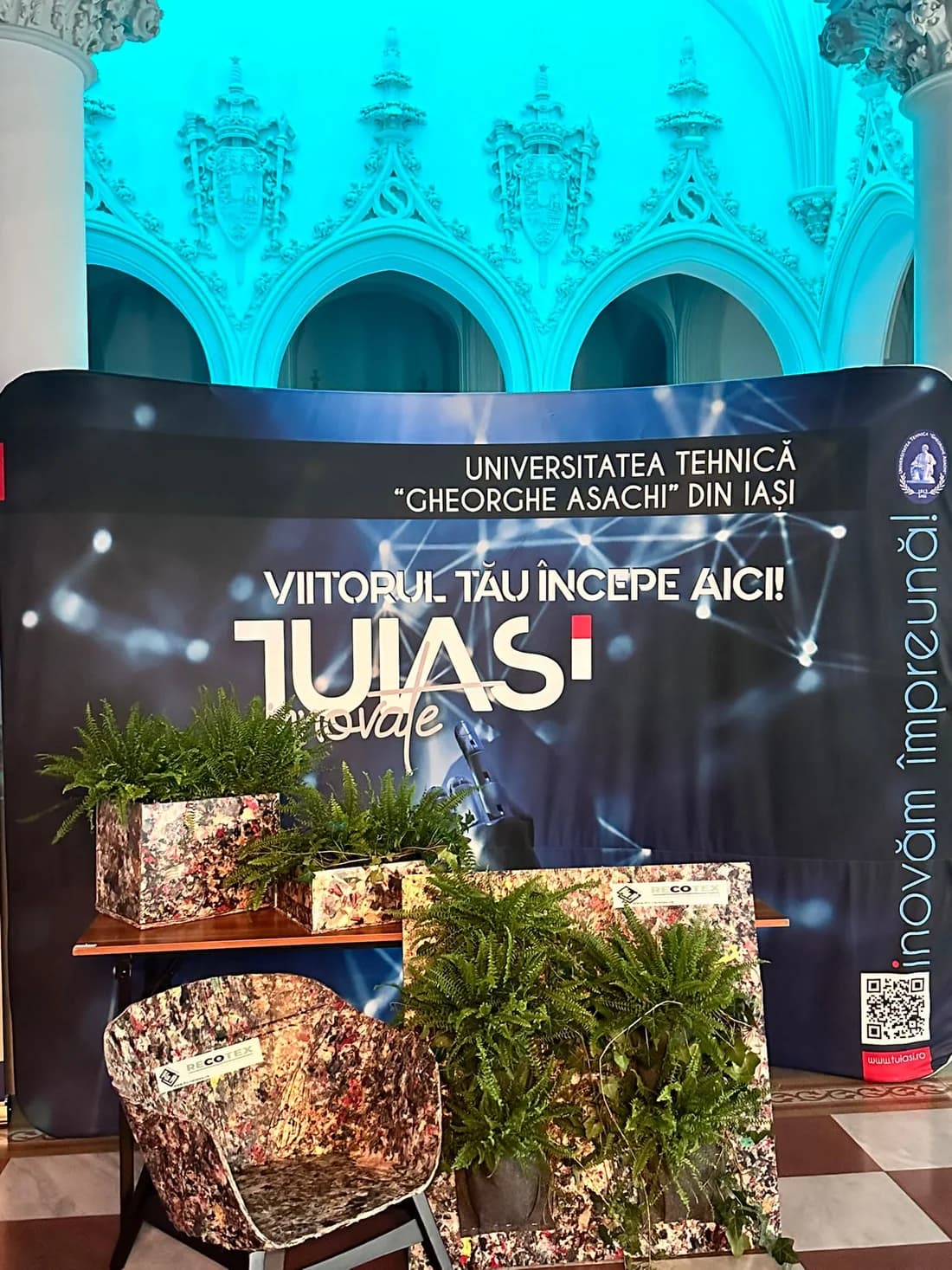
Article with Eugen Ailenei’s statements on the project origins, the recycled-textile armchair and furniture potential.
“Here you have a thermo-press: you bring a 2D board, reheat it and form it.”
Excerpt from the published interview. The text reflects the project status in 2024.